
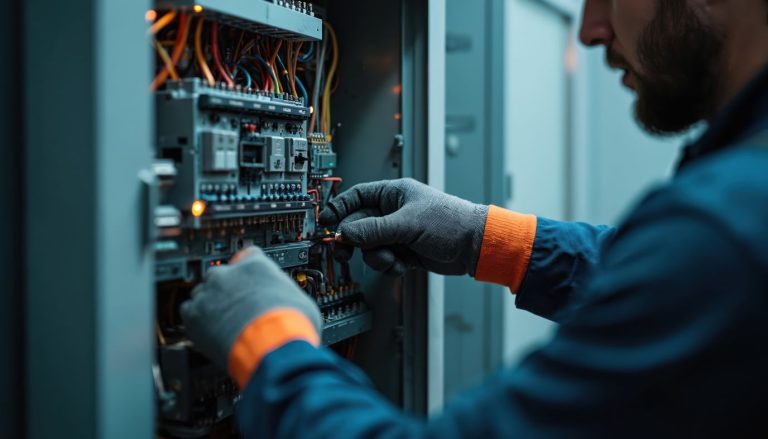
TL;DR — Key Takeaways About Electrical Circuit Overload
If you want the quick summary:
- Electrical circuit overload happens when a circuit carries more power than it was designed to handle.
- Too many devices on the same circuit is one of the most common causes in commercial buildings.
- Frequent breaker trips, flickering lights, and warm outlets are early warning signs.
- Older buildings in Edmonton often struggle to support modern electrical demand.
A licensed commercial electrician can assess your electrical capacity and prevent future problems.
What Causes Electrical Circuit Overload in Commercial Buildings?
Commercial buildings rely heavily on electricity to keep daily operations running. Offices power computers and servers, warehouses operate equipment and lighting systems, and retail locations rely on point of sale systems, refrigeration, and security equipment.
When the electrical system is pushed beyond its designed capacity, an electrical circuit overload can occur. This happens when too much current flows through a circuit, forcing the breaker to trip as a safety measure.
While a tripped breaker may feel like an inconvenience, it is actually protecting the building from overheating wires, equipment damage, and potential electrical fires.
For many businesses in Edmonton, circuit overloads occur when growing electrical demands outpace the building’s original electrical design. Understanding what causes these overloads helps business owners and facility managers prevent downtime and protect their equipment.
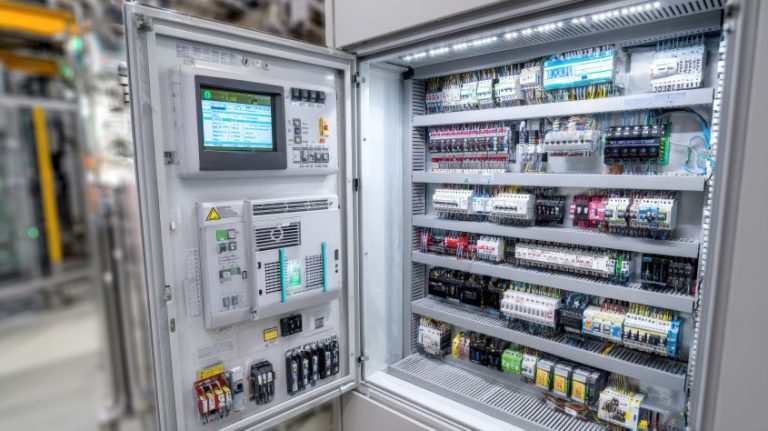
Why Electrical Circuit Overload Happens in Commercial Buildings in Edmonton
Commercial properties often evolve over time. A space that was originally wired for basic lighting and office equipment may later house computers, servers, kitchen equipment, HVAC upgrades, and charging stations.
Each new device increases electrical demand. If several high-power devices share the same circuit, the circuit can easily exceed its safe capacity.
Older commercial buildings in Edmonton are especially vulnerable. Electrical panels and wiring installed decades ago were never designed for today’s technology-driven workplaces.
Another common issue is circuit distribution. Even when a building has sufficient total power, poor layout of circuits can cause certain areas to become overloaded while others remain underused.
For example, a break room with coffee machines, microwaves, refrigerators, and vending machines may all share a single circuit. When these appliances run at the same time, the circuit breaker trips to prevent overheating.
Understanding how power is distributed throughout the building is key to preventing electrical circuit overload.
Common Causes of Electrical Circuit Overload
Electrical circuit overload can occur for several reasons. In commercial buildings across Edmonton, electricians frequently see the same patterns.
One of the most common causes is plugging too many devices into the same outlet or circuit. Power bars and extension cords often make this problem worse by allowing multiple pieces of equipment to draw power from a single source.
High-energy equipment is another frequent culprit. Items such as industrial printers, HVAC equipment, refrigeration units, commercial kitchen appliances, and manufacturing machinery require large amounts of electricity. When these devices share circuits with other equipment, overload becomes likely.
Another issue involves outdated electrical infrastructure. Many older commercial properties still operate with panels and circuits designed for far lower electrical loads. As businesses grow and add equipment, the system simply cannot keep up.
Improper modifications can also contribute to overloads. Temporary wiring changes, extension cord networks, and poorly planned equipment installations can all place unexpected strain on electrical circuits.
In some cases, overloaded circuits are not caused by too many devices but by faulty wiring or loose electrical connections. These issues increase electrical resistance and heat, making circuits more prone to failure.
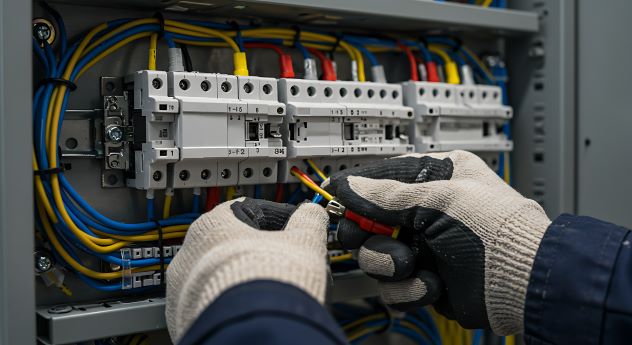
Warning Signs Your Building May Have an Electrical Overload
Electrical systems rarely fail without warning. In many cases, commercial buildings show clear signs that circuits are being pushed beyond their limits.
The most obvious sign is frequent breaker trips. If a circuit breaker shuts off power regularly, it is usually responding to excessive electrical demand.
Lighting problems can also indicate overload. Flickering or dimming lights when equipment turns on may mean the circuit is struggling to supply enough power.
Warm outlets or switches are another warning sign. Electrical components should never feel hot to the touch. Heat often indicates excess current or failing wiring.
Burning smells or discolored outlets are more serious indicators that require immediate attention. These symptoms suggest overheating wires, which can lead to electrical fires if left unresolved.
Many Edmonton business owners ignore these warning signs until equipment stops working or the building loses power. Addressing the problem early can prevent larger electrical failures and expensive repairs.
Conclusion: Preventing Electrical Circuit Overload in Your Business
Electrical circuit overload is more than a minor inconvenience. It can interrupt business operations, damage expensive equipment, and create serious safety risks.
For many commercial buildings in Edmonton, the solution involves evaluating the building’s electrical capacity and redistributing electrical loads more effectively. In some cases, adding dedicated circuits or upgrading the electrical panel may be necessary to support modern power demands.
A licensed commercial electrician can inspect the building’s electrical system, identify overloaded circuits, and recommend improvements that reduce the risk of future issues.
Taking a proactive approach to electrical maintenance helps businesses maintain safe, reliable operations while protecting employees, customers, and property.
Frequently Asked Questions
What causes electrical circuit overload in commercial buildings?
Why do circuit breakers keep tripping in my commercial building?
Can older commercial buildings handle modern electrical demand?
Is electrical overload a fire risk?
When should I call a commercial electrician?
Contact Sierra Electrical Ltd.
If your business is experiencing frequent breaker trips or electrical issues, Sierra Electrical Ltd. provides professional commercial electrical services throughout Edmonton. Our licensed electricians can diagnose electrical circuit overload problems and design safe, reliable solutions for your facility.
Contact us today to schedule an electrical assessment and keep your business running safely.
Sierra Electrical Ltd.
9808 45th AVE NW
Edmonton, AB
T6E 5C5
Phone
780-944-9400
Business Hours
Monday – Friday:
8:00 AM – 4:30 PM
Method of Payment
E-transfers accepted