
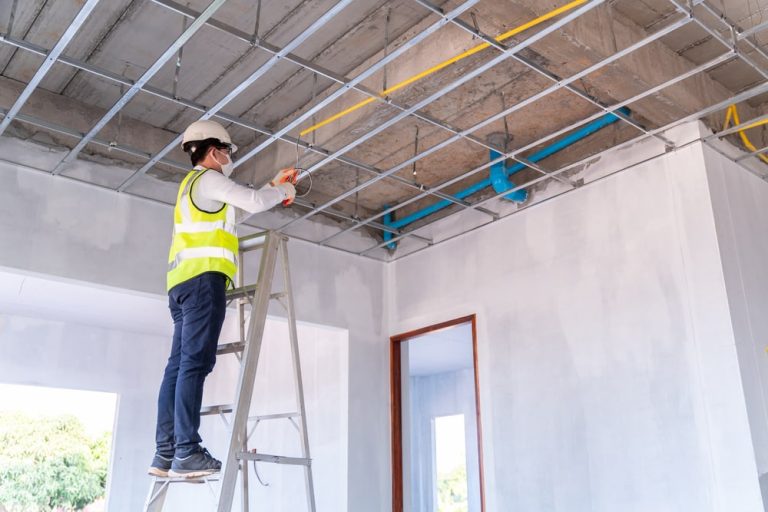
TL;DR — Key Takeaways:
Commercial vs Residential Electricians in Edmonton If you just want the quick answer to the difference between commercial and residential electricians, here are the main points:
- Residential electricians focus on homes, condos, and apartments with lower voltage systems designed for daily living.
- Commercial electricians work in businesses and large facilities that require higher power capacity and more complex electrical infrastructure.
- Residential systems typically use single-phase power, while commercial buildings often rely on three-phase power.
- Commercial electrical work involves stricter safety requirements and larger-scale planning. Hiring the right type of electrician helps ensure safety, code compliance, and long-term system reliability.
What’s the Difference Between Commercial and Residential Electricians?
When property owners start planning electrical work, one of the most common questions they ask is: what’s the difference between commercial and residential electricians?
While both types of electricians are licensed professionals trained to install, repair, and maintain electrical systems, the buildings they work in and the systems they handle are very different. Electrical infrastructure is designed around usage demands. A home needs safe and reliable power for everyday living, while a business requires electrical systems capable of supporting heavy equipment, larger spaces, and continuous operation.
Because of this, many electricians specialize in either residential or commercial work. Understanding these differences helps you choose the right professional and ensures your project is completed safely, efficiently, and up to code.
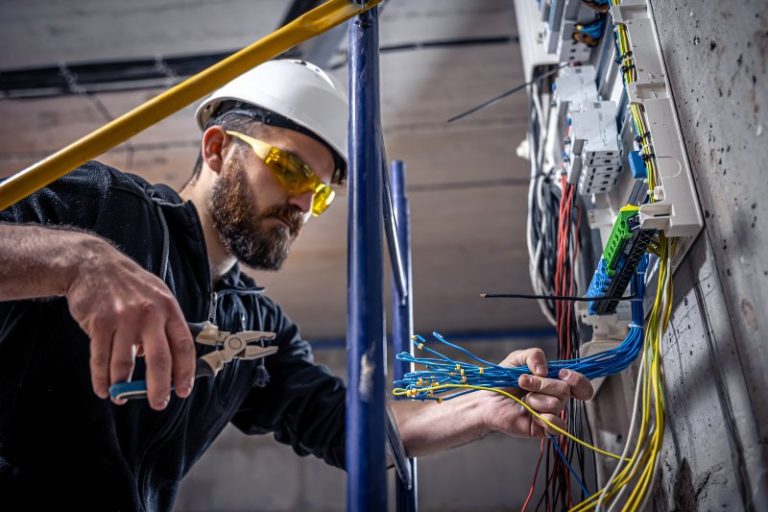
How Edmonton Commercial and Residential Electricians Handle Different Power Demands
One of the clearest differences between commercial and residential electricians lies in how electrical power is delivered throughout a building. Residential electricians typically work with single-phase electrical systems designed for predictable household usage. These systems power lighting, appliances, electronics, and home HVAC systems using standard voltage levels. Most homes rely on:
- 120V outlets for everyday devices
- 240V circuits for large appliances
- Electrical panels ranging from 100–200 amps
Commercial electricians, on the other hand, work with much larger electrical infrastructures. Businesses often operate using three-phase power systems, which provide a more efficient and consistent flow of electricity across large facilities. This allows commercial buildings to safely run high-demand equipment and large mechanical systems. Commercial electrical systems are built for performance and scale, while residential systems focus on safety and daily comfort.
Where Residential Electricians Work vs Where Commercial Electricians Operate
The work environment also highlights important differences between residential and commercial electricians. Residential electricians primarily perform work inside houses, townhomes, and apartment units.
Their projects often involve electrical upgrades, renovations, lighting installations, and troubleshooting issues within finished living spaces. Because homeowners occupy these spaces daily, residential electricians must work carefully around existing walls, furniture, and tight areas such as attics and crawlspaces. Commercial electricians typically work in larger and more complex environments such as office buildings, retail stores, restaurants, warehouses, and industrial facilities.
These projects often involve installing electrical systems from the ground up rather than modifying existing wiring. Commercial jobs frequently include running conduit through ceilings and walls, interpreting blueprints, and coordinating with engineers and multiple construction trades.
The scale of planning and collaboration required in commercial electrical work is significantly greater than in residential projects.
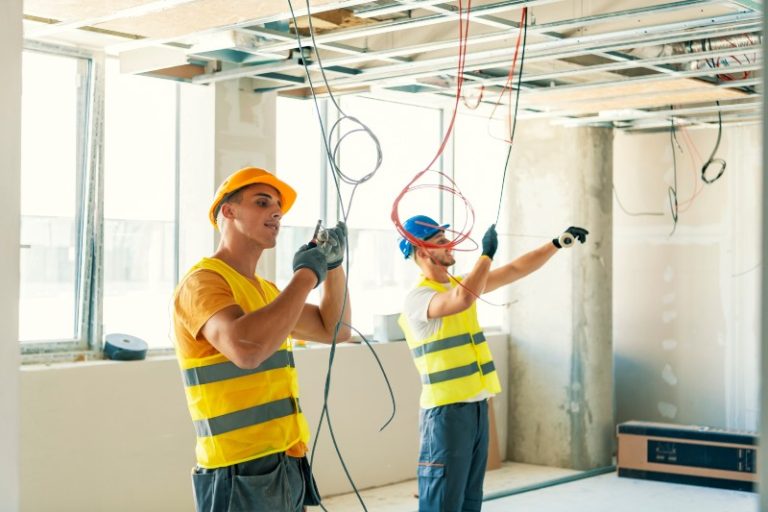
Safety Standards That Separate Commercial Electrical Work from Residential Projects
Although all electricians must follow strict safety practices, commercial and residential electricians operate under different levels of regulatory complexity. Residential electrical work focuses on protecting homeowners through building codes that regulate grounding, outlet placement, circuit protection, and safe wiring near water sources such as kitchens and bathrooms. Commercial electricians must meet additional safety requirements due to higher voltages and increased public occupancy. Commercial buildings often include integrated safety systems designed to prevent disruptions and protect large numbers of people. These systems may include:
- Emergency lighting and exit systems
- Backup generators and power redundancy
- Fire alarm and monitoring integrations
- Energy management and monitoring controls
Because commercial systems carry greater electrical loads, electricians working in these environments often receive advanced training in load calculations, blueprint interpretation, and large-scale system planning. A failure in a commercial electrical system can affect an entire business operation, making precision and compliance essential.
Choosing Between a Residential Electrician and a Commercial Electrician in Edmonton
Knowing whether you need a residential or commercial electrician can save time and prevent costly mistakes. Residential electricians are best suited for projects involving homes and living spaces, including renovations, electrical panel upgrades, lighting installations, and diagnosing household electrical problems. Commercial electricians specialize in powering business environments where electrical systems must support heavier loads and more complex infrastructure.
Examples of commercial electrical work include office build-outs, tenant improvements, equipment installations, and full electrical system design for new construction. Hiring an electrician experienced in the specific type of property ensures the system is designed correctly and meets all safety and code requirements from the start.
Conclusion: Understanding the Difference Between Commercial and Residential Electricians
Understanding the difference between commercial and residential electricians ultimately comes down to scale, complexity, and specialization. Residential electricians focus on systems that support comfortable and safe home living, while commercial electricians manage powerful electrical infrastructures that keep businesses running efficiently.
Both roles are essential, but each requires different expertise tailored to the building’s needs. Choosing the right electrician ensures reliable performance, regulatory compliance, and long-term safety for your electrical system.
Frequently Asked Questions
Can commercial electricians work on residential projects?
Why do commercial buildings use different electrical systems than homes?
Is commercial electrical work more complicated than residential work?
Do both residential and commercial electrical jobs require permits?
How do I know whether I need a residential or commercial electrician?
Contact Sierra Electrical Ltd.
If you need reliable residential or commercial electrical services in Edmonton, Sierra Electrical Ltd. is ready to help. Our licensed electricians provide professional solutions for homes and businesses, from electrical upgrades and troubleshooting to large-scale commercial installations. Contact our team today to request a quote and get expert guidance for your next electrical project.
Sierra Electrical Ltd.
9808 45th AVE NW
Edmonton, AB
T6E 5C5
Phone
780-944-9400
Business Hours
Monday – Friday:
8:00 AM – 4:30 PM
Method of Payment
E-transfers accepted